Educational Puzzles. Learning through play
Educational puzzles are an exceptional tool for children’s development, combining play with learning in a unique and engaging way. At Sounds Wood, the focus is on creating these enriching experiences using high-quality, natural materials, instilling a sense of discovery and respect for nature.
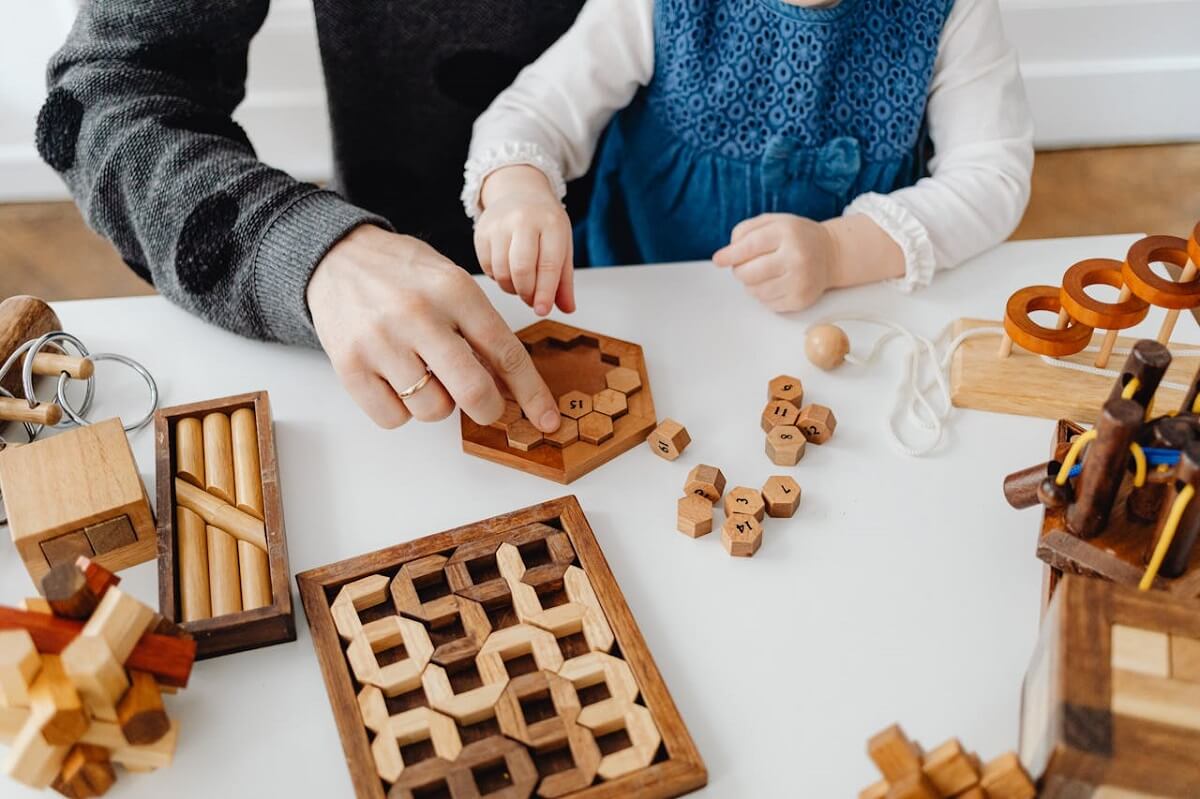
Sounds Wood is more than just a brand; it embodies a passion for children and learning through beautifully crafted products. Originally established as Stuka Puka, the brand has a rich history appreciated by children, parents, and educators alike. Reborn under the new name, Sounds Wood continues its commitment to quality craftsmanship and environmental respect, focusing on integrating the beauty of nature into every product.
The story of Sounds Wood began with a simple yet profound love for children and a belief in the necessity of quality learning tools. The puzzles are crafted in a Polish workshop, emphasizing the importance of local suppliers and handcrafted production. The ethos of the company revolves around using natural wood, which is not just sustainable but also provides a tactile experience that plastic alternatives cannot match. This commitment to local and sustainable practices ensures that every puzzle is unique, imbued with the warmth of natural materials.
The Importance of Educational Puzzles
Educational puzzles serve as a multifaceted tool that plays a critical role in a child’s holistic development. They encourage children to explore, think critically, and engage deeply with their environment.
One of the most significant benefits of educational puzzles is their role in enhancing cognitive skills. As children work through the challenges presented by puzzles, they are required to think critically and analytically. For instance, jigsaw puzzles require children to recognize patterns, understand spatial relationships, and develop strategies to fit pieces together. This cognitive engagement is crucial for development, fostering problem-solving abilities and promoting logical thinking.
Educational puzzles also facilitate the development of memory skills. Children must remember where specific pieces might fit and recall shapes, colors, or themes related to the puzzle’s picture. Such exercises help strengthen memory retention and recall — essential skills for educational success.
Motor Skill Development
Puzzles are excellent tools for improving fine motor skills. Manipulating puzzle pieces requires precision and control, which enhances hand-eye coordination. Children learn to grip, rotate, and fit pieces together, developing dexterity that will serve them throughout life.
This improvement in motor skills also contributes to other developmental milestones. For example, enhanced coordination can impact writing abilities, sports participation, and general daily activities that require fine motor control. Educational puzzles also serve social and emotional purposes. When children work on puzzles with friends or family, they learn valuable social skills like teamwork, communication, and sharing. Collaborative puzzle-solving requires that they express their thoughts and listen to others, enhancing interpersonal relationships.
Completing a puzzle can boost self-esteem and confidence. The sense of accomplishment from fitting the last piece or solving a challenging puzzle can be immensely rewarding for a child. This feeling of achievement reinforces persistence and resilience, teaching children to work through challenges.


:strip_icc():format(webp)/kly-media-production/medias/3566349/original/012272800_1631172796-pexels-farhad-ibrahimzade-5446524.jpg)