Hydration Hype: Do Kids Really Need Sports Drinks?
The brightly colored bottles and aggressive marketing of sports drinks have positioned them as the…
The brightly colored bottles and aggressive marketing of sports drinks have positioned them as the ultimate performance enhancer for active individuals. For children participating in sports, these beverages are often viewed by parents as a necessary component for energy and electrolyte replenishment. However, the reality is far more nuanced. While sports drinks were originally designed for endurance athletes engaged in prolonged, high-intensity activity, they are largely unnecessary. And potentially harmful—for the majority of children and adolescents. Understanding the ingredients, purpose, and potential risks of these beverages is crucial for making informed decisions about your child’s hydration and health.
What Are Sports Drinks, and What Do They Contain?
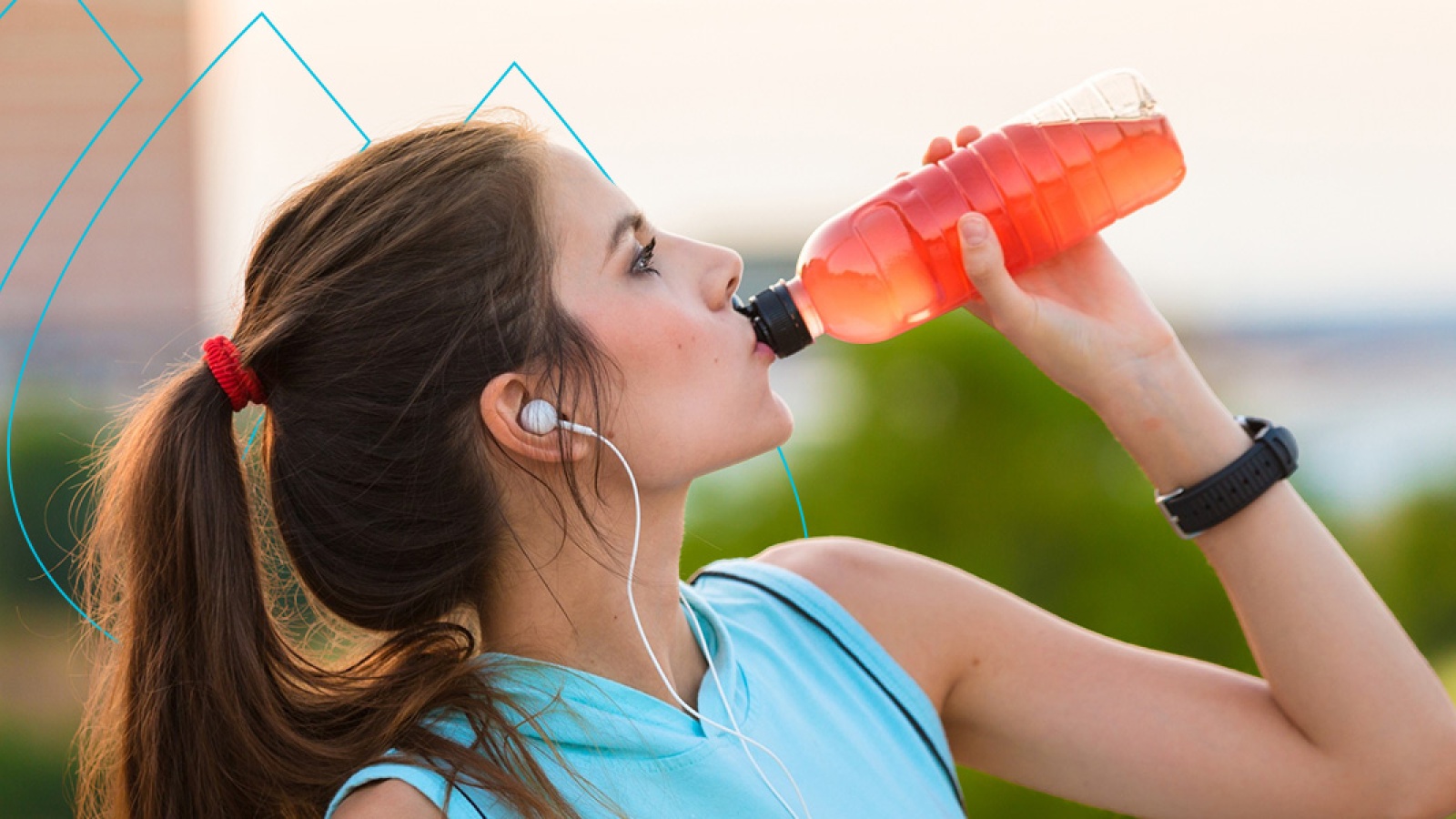
Sports drinks are formulated beverages intended to provide three key components:
- Carbohydrates (Sugars): Typically in the form of glucose, sucrose, or fructose, providing quick energy to working muscles. They usually contain about $6\%$ to $8\%$ carbohydrate concentration.
- Electrolytes: Primarily sodium and potassium, which are lost through sweat. These minerals help maintain fluid balance, nerve signaling, and muscle function.
- Water: The fundamental base for hydration.
The primary purpose of this specific formulation is to help high-level athletes, such as marathon runners or professional soccer players. Sustain energy and maintain electrolyte balance during activity lasting longer than 60 to 90 minutes of continuous, vigorous exercise.
The Problem with Everyday Consumption
For most children, even those involved in organized sports, the conditions that necessitate a sports drink are rarely met. Their activities are generally shorter in duration, lower in intensity, and interspersed with frequent rest periods.
1. Unnecessary Sugar and Calories
The most significant drawback of sports drinks is their high sugar content. A typical 20-ounce bottle contains well over 30 grams of sugar. Often exceeding the total daily limit recommended by health organizations for children.
- Weight Gain: Regular consumption of sugary drinks, including sports drinks, is a well-established contributor to excessive calorie intake and increased risk of overweight and obesity in children.
- Insulin Spikes: The rapid intake of simple sugars can lead to sharp spikes and crashes in blood glucose, potentially affecting energy levels and long-term metabolic health.
2. Dental Erosion Risk
Sports drinks are highly acidic, often more so than sodas. The combination of sugar and acidity creates a perfect storm for dental problems. The acidity softens tooth enamel, while the sugar feeds oral bacteria, leading to a much higher risk of cavities and irreversible dental erosion. This risk is amplified when the drinks are sipped slowly over an extended practice session.
3. Excess Electrolytes
While children do sweat and lose electrolytes, for most routine activity, this loss is minimal and can be easily replenished through normal eating patterns at the next meal. Over-consumption of electrolytes, particularly sodium, is unnecessary for low-level activity.
The Superior Alternative: Water and a Balanced Diet
For the vast majority of children, the best and most effective hydration strategy is simple, natural, and inexpensive: plain water and a balanced meal or snack.
1. Water for Hydration
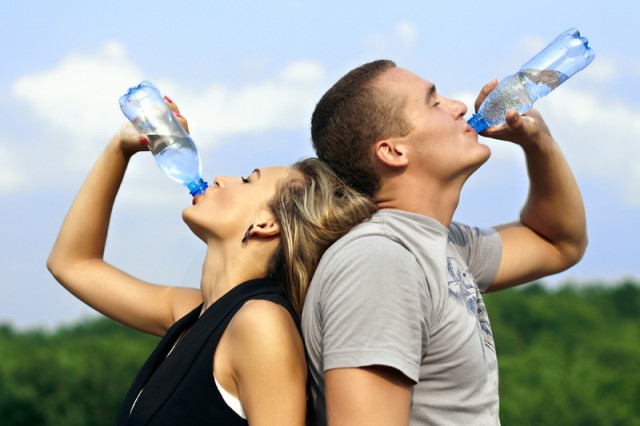
Water is the optimal hydrator. It efficiently replaces fluid losses without adding unnecessary sugar, calories, acidity, or artificial ingredients.
- Before Exercise: Encourage children to drink water 30 minutes before activity.
- During Exercise: Ensure they have access to water and take short breaks to drink every 15 to 20 minutes.
- After Exercise: Water is the priority, alongside a healthy snack.
2. Food for Energy and Electrolytes
For activity lasting under 90 minutes, the energy reserves needed are already stored in the body. If the activity is prolonged or intense, replacing electrolytes and energy can be achieved naturally:
- Carbohydrates (Energy): A small piece of fruit (like a banana or an apple), a handful of trail mix, or whole-grain crackers provide natural sugars and sustained energy.
- Electrolytes (Sodium/Potassium): Snacks like a handful of salted pretzels, a peanut butter sandwich, or a piece of fruit (rich in potassium) easily and naturally replenish lost minerals.
When Might a Sports Drink Be Appropriate?
There are limited circumstances where a sports drink may be considered for a child, but this should be discussed with a pediatrician or sports dietitian:
- Sustained, High-Intensity Activity: Activity lasting consistently longer than 60-90 minutes (e.g., a full tournament day in hot weather).
- Extreme Heat or Humidity: Conditions that cause excessive, rapid sweating.
- Illness: Pediatricians sometimes recommend electrolyte solutions to prevent dehydration during severe bouts of vomiting or diarrhea, but these are typically oral rehydration solutions (ORS), which have a carefully balanced ratio of sugars and electrolytes that differs from commercial sports drinks.
Conclusion: Simple Hydration is Best
For nearly all children participating in sports and physical activity, the optimal beverage choice is plain water. It is the healthiest, most effective, and safest way to replace fluids without exposing them to excess sugar, unnecessary calories, or dental damage. Sports drinks are highly specific nutritional tools designed for elite adult athletes, not general hydration for kids. By prioritizing water and reinforcing the role of healthy snacks for energy, parents can ensure their children are safely and effectively fueled for their active lives.


:strip_icc():format(webp)/kly-media-production/medias/3566349/original/012272800_1631172796-pexels-farhad-ibrahimzade-5446524.jpg)